Strength & Training Calculators
Explore our collection of practical strength and training calculators. Each tool features transparent, peer-reviewed mathematical formulas, live unit conversion (LB ↔ KG), rep-max projections, and actionable training loads.
Select a Calculator to Launch
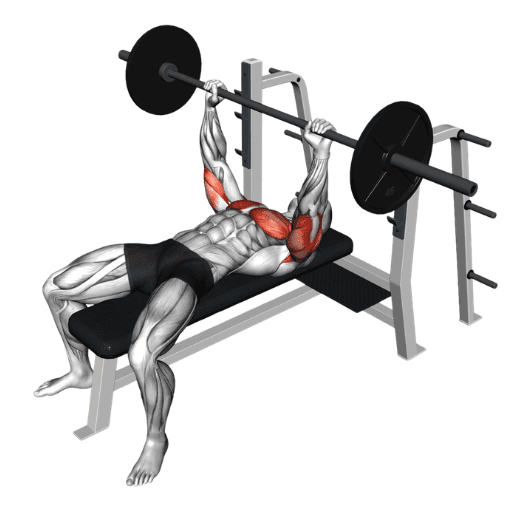
Bench Press Calculator — 1RM, Rep Max & Plate Loading
Calculation Model: Epley · Brzycki · Lander · Mayhew
Estimate your bench press one-rep max from any submaximal set using four published prediction equations. Includes rep-max tables (1–15RM), percentage-based training loads, configurable training max (80–95%), exact barbell plate loading breakdown, and a progressive warm-up ramp.

Universal One-Rep Max (1RM) Estimator
Calculation Model: Epley (1985) · Brzycki (1993) · Lander · Mayhew
Calculate your maximum single-repetition capacity across any barbell compound movement. Compare four peer-reviewed prediction formulas side-by-side to understand formula divergence at higher rep counts and dial in exact working percentages.
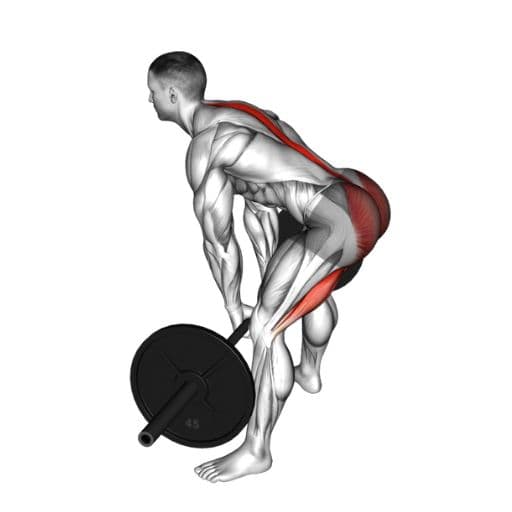
Barbell Plate Loading Calculator
Calculation Model: Greedy Disjoint Plate Math (45 lb & 20 kg Bars)
Never miscalculate barbell loading again. Enter any target working weight to get the exact per-side plate breakdown for standard Olympic 45 lb or 20 kg barbells, supporting both bumper and iron plate denominations.
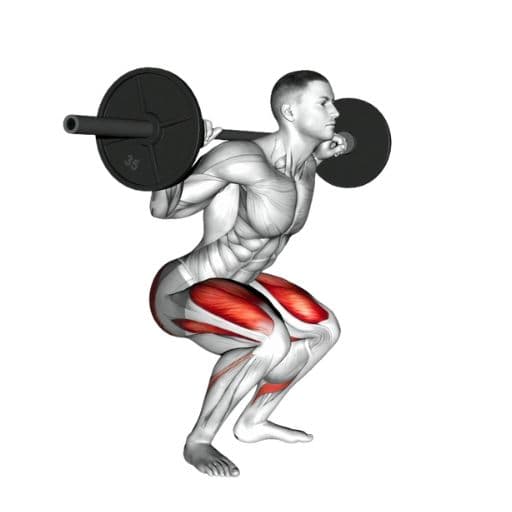
Squat 1RM & Training Load Calculator
Calculation Model: Epley · Brzycki · Wathan · Lombardi
Predict your barbell back squat one-rep max from a 2 to 10 rep set without testing a risky true 1RM. Features working set percentages, Wendler 5/3/1 training maxes, plate math, and a squat-specific progressive warm-up ramp.
Deadlift 1RM & Working Load Calculator
Calculation Model: Epley · Brzycki · Wathan · Lombardi
Determine your estimated conventional or sumo deadlift one-rep max safely. Computes submaximal working percentages, heavy plate breakdown, and posterior-chain ramp sets to optimize your pulling sessions.
DOTS & Wilks Relative Strength Calculator
Calculation Model: DOTS Polynomial & 2020 Wilks Coefficient
Calculate your official powerlifting relative strength coefficient. Normalizes your three-lift total against bodyweight to compare pound-for-pound strength across all weight classes and genders.
RPE & Reps-in-Reserve (RIR) Matrix
Calculation Model: Tuchscherer RPE Table & Borg CR10 Scale
Convert daily Rate of Perceived Exertion (RPE 6–10) and Reps in Reserve (RIR) into exact percentage of 1RM to match training intensity to daily fatigue, recovery, and readiness.
Calculators vs. Strength Standards — What's the Difference?
1. Calculators Are Prescriptive (What to Lift Today)
Strength calculators help you program workouts, calculate working percentages (e.g. 5 sets of 5 at 80%), determine warm-up ramp jumps, and calculate exact plate loading on the bar before you lift.
2. Standards Are Evaluative (Where You Stand Relative to Peers)
Our separate Strength Standards directory evaluates your strength against verified bodyweight and age tiers (Beginner, Novice, Intermediate, Advanced, Elite). Calculators give you the exact training numbers to reach the next tier.
3. Multi-Formula Peer-Reviewed Science
Rather than relying on a single prediction formula, StrengthRegimen calculates four validated equations (Epley 1985, Brzycki 1993, Lander 1985, Mayhew 1992) to give you an accurate, transparent, and balanced projection.